 MozLove Box by eeejay - Thingiverse
https://www.thingiverse.com/thing:315516
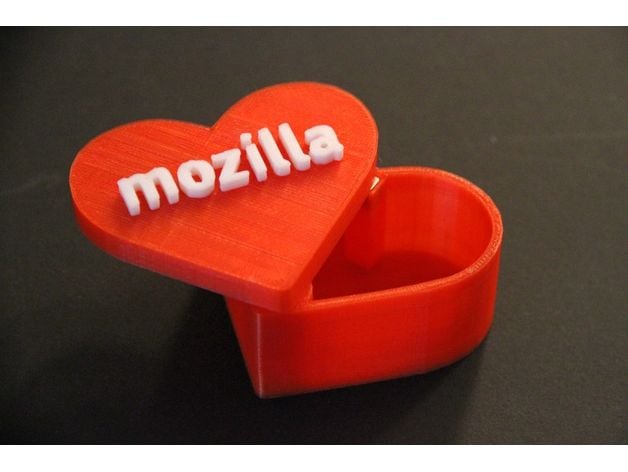
A nifty box inspired by Sean Martell's mozlove avatar. It uses a pair of magnets to snap shut. You could choose either the embossed mozilla for the top, or print the letters in another color and glue them to the top using the peg holes as guides.
 Metal Gear Solid running natively on the ESP32-S3 | Velxio Blog
https://velxio.dev/blog/posts/metal-gear-solid-on-esp32-s3/
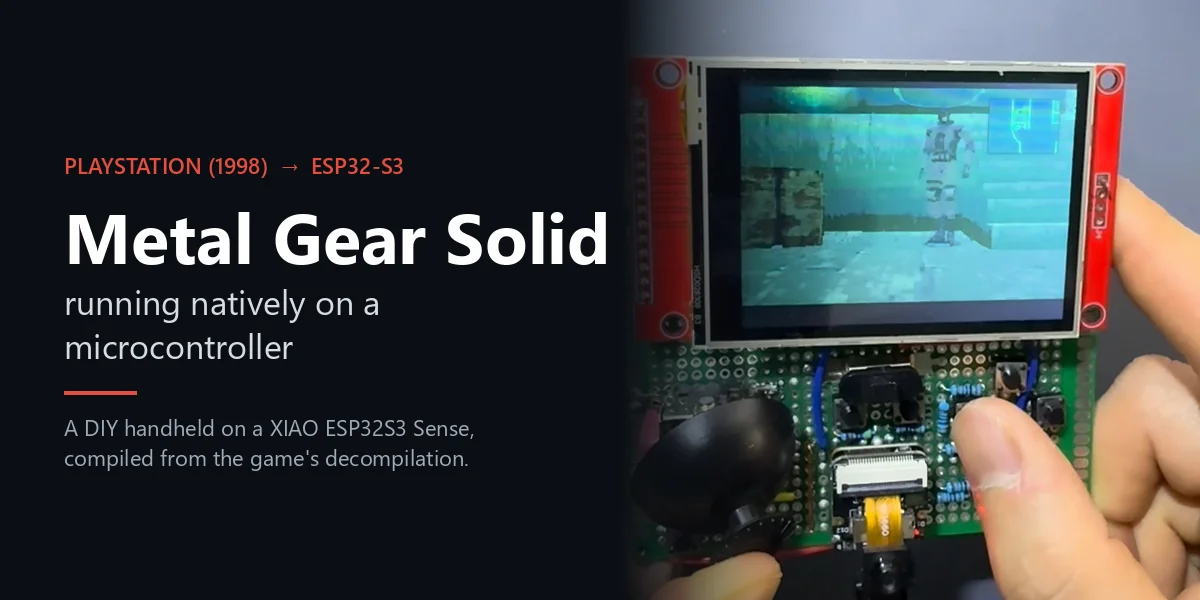
I have loved Metal Gear Solid since I was a kid. When I got a tiny ESP32-S3 board, one question stuck with me: could a PlayStation game run on something this small?
 Disable Yubikey from typing gibberish on Mac : r/yubikey
https://www.reddit.com/r/yubikey/comments/1k6k5pv/disable_yubikey_from_typing_gibberish_on_mac/
Long-pressing a Yubikey Nano will generate a 44-character random-looking string like "ccccccjlkgjlevtdernkbbnrrvhcvgbljgchbgbdbvgk" as an OTP token because it emulates a keyboard.
This is really annoying for Yubikey Nano, which you can leave plugged into your laptop at all times, and gets sporadically triggered by my lap, which my laptop sits on for a long time. I wanted to disable this.
Unfortunately, Yubikey Manager is deprecated, so the existing Reddit documentation doesn't help.
Instead:
- Install Yubikey Manager
- Click "Toggle Applications" (see https://imgur.com/a/rhvcPlE)
- Uncheck "Yubico OTP" (see https://imgur.com/a/rhvcPlE)

 Yubico Authenticator App for Desktop and Mobile | Yubico
https://www.yubico.com/products/yubico-authenticator/
Use the Yubico Authenticator for Desktop on your Windows, Mac, or Linux computers to generate OATH credentials on your YubiKeys.
 yubikey-manager
https://developers.yubico.com/yubikey-manager/
Python 3.10 (or later) library and command line tool for configuring a YubiKey. If you’re looking for a graphical application, check out Yubico Authenticator.
tl;dr: to disable the keyboard oops every time I hit the yubikey: brew install ykman && ykman config usb --disable otp
 hughhowey/neo: A novel-writing tool created by a novelist.
https://github.com/hughhowey/neo
A novel-writing tool created by a novelist.

 cocktail virgin slut: trainspotter
https://cocktailvirgin.blogspot.com/2026/09/trainspotter.html
3/4 oz Scotch (1/2 oz Famous Grouse + 1/4 Ardbeg 10 Year)
3/4 oz Amaro Braulio
3/4 oz Giffard Banana Liqueur (Tempus Fugit)
3/4 oz Lemon Juice

cocktail virgin slut: vecchietto
https://cocktailvirgin.blogspot.com/2026/09/vecchietto.html
3/4 oz Dry Vermouth (Noilly Prat)
3/4 oz Cynar
3/4 oz Amaro Ramazzotti
3/4 oz Amontillado Sherry (Lustau)
3 dash Cardamom Bitters (Bitter Housewife)
 AI Didn’t Make Programming Easier. It Just Made It Differently Difficult – Communications of the ACM
https://cacm.acm.org/opinion/ai-didnt-make-programming-easier-it-just-made-it-differently-difficult/
AI does not, therefore, diminish the craft; it widens it, deepens it, and makes more of the work explicitly intellectual. The work becomes differently difficult because it demands more sophisticated forms of expertise: judgment over recall, architecture over syntax, orchestration over implementation. These are not easier skills to develop or demonstrate, they are simply different ones, and perhaps ultimately more demanding.
 Thorsten Ball - What I believe about the future of software development
https://thorstenball.com/blog/2026/09/19/what-i-believe-about-the-future-of-software-development/
This was originally posted on X and blew up. To plant my flag, to say that these are things I believed in September 2026, here it is on the blog, non-ephemeral. Some of these predictions are just observations, they’ve long been true at companies like Amp. Others will take some time to play out.
 Don't couple your Go code to GitHub | Iain Cambridge
https://iain.rocks/blog/dont-couple-your-go-code-to-github
The main problem with using your git hosting location is that your code is now coupled to a hosting provider. That is, if you move your git hosting to GitLab then you have to change your code! Otherwise, you’ll be fetching the old verison. This can result in you being unable to change git hosting provider because the amount of overhead in switching. So you literally end up with your code coupled to GitHub. Which sounds completely nuts, but it’s something that is pretty much defacto in the Go community.

 DHH’s opening keynote at Rails World 2026: “The most confusing funeral I’ve ever experienced” : Global Nerdy
https://www.globalnerdy.com/2026/09/27/dhhs-keynote-at-rails-world-2026-the-most-confusing-funeral-ive-ever-experienced/
This was the flagship keynote for the framework’s premier gathering, and it felt less like an affirmation of Rails’ future and more like an intellectual abandonment of its foundational craft, delivered by a creator increasingly insulated from the core community that used, supported, and helped build Rails alongside him.

 "Slop Grenades": Shopify CEO Who Pushed Staff to Use AI Is Now Horrified by What He's Wrought
https://futurism.com/artificial-intelligence/shopify-ceo-ai-workplace-staff-horrified-backfire
New reporting by Fortune revealed the disastrous results of Shopify’s all-out scramble to embrace AI nearly a year ago. After telling workers that using AI tools is a “baseline expectation” in the workplace, Lütke is now changing his tune as workers spew out AI-generated emails, memos, and code without double-checking it beforehand.
“We call those ‘slop grenades’ that people toss at each other,” Lütke said in an interview on the Knowledge Project podcast. “That’s definitely a bad thing.”

bearsgaming-ui/AIBeatsZelda: Full files where AI learns to beat zelda
https://github.com/bearsgaming-ui/AIBeatsZelda
An AI plays The Legend of Zelda (NES) — the harness, the journal, and the run
This is everything behind the video: the player the AI wrote for itself, the notes it kept while writing it, and the input file of the final run (37:02 from power-on to Zelda, no glitches, no memory editing, no human input).
 emersion/goguma: An IRC client for mobile devices - Codeberg.org
https://codeberg.org/emersion/goguma
An IRC client for mobile devices.
Modern: support for many IRCv3 extensions, plus some special support for IRC bouncers.
Easy to use: offer a simple, straightforward interface.
Offline-first: users should be able to read past conversations while offline, and network disruptions should be handled transparently
Lightweight: go easy on resource usage to run smoothly on older phones and save battery power.
Cross-platform: the main target platforms are Linux and Android, iOS is also supported.
 KiwiIRC - The webIRC client
https://kiwiirc.com/
KiwiIRC makes Web IRC easy.
A hand-crafted IRC client that you can enjoy. Designed to be used easily and freely.
 Ergo IRC Server
https://ergo.chat/about/
Ergo (formerly known as Oragono) is a modern IRCd (IRC server software) written in Go.
Our core design principles are:
Being simple to set up and use.
Combining the features of an ircd, a services framework, and a bouncer (integrated account management, history storage, and bouncer functionality).
Bleeding-edge IRCv3 support suitable for use as an IRCv3 reference implementation.
High customizability via a rehashable (i.e., reloadable at runtime) YAML config.
 Mille Bornes
http://codex99.com/design/28.html
The game was a popular alternative to Bridge and, as Parker Brothers stated in the US introduction, became “a French Card Game Craze.” To keep up with demand Dujardin moved production from the basement of his family’s home in Arcachon to a renovated fish factory. In all, more than a million copies were sold in France in the 1950s.

 Mille Bornes : Free Borrow & Streaming : Internet Archive
https://archive.org/details/msdos_Mille_Bornes_1989#
Mille Bornes is a French card game, sold by Parker Brothers that simulates a car race of 700 kilometers. This is a computer adaption of that game.
 Nerd Fonts - Iconic font aggregator, glyphs/icons collection, & fonts patcher
https://www.nerdfonts.com/#home
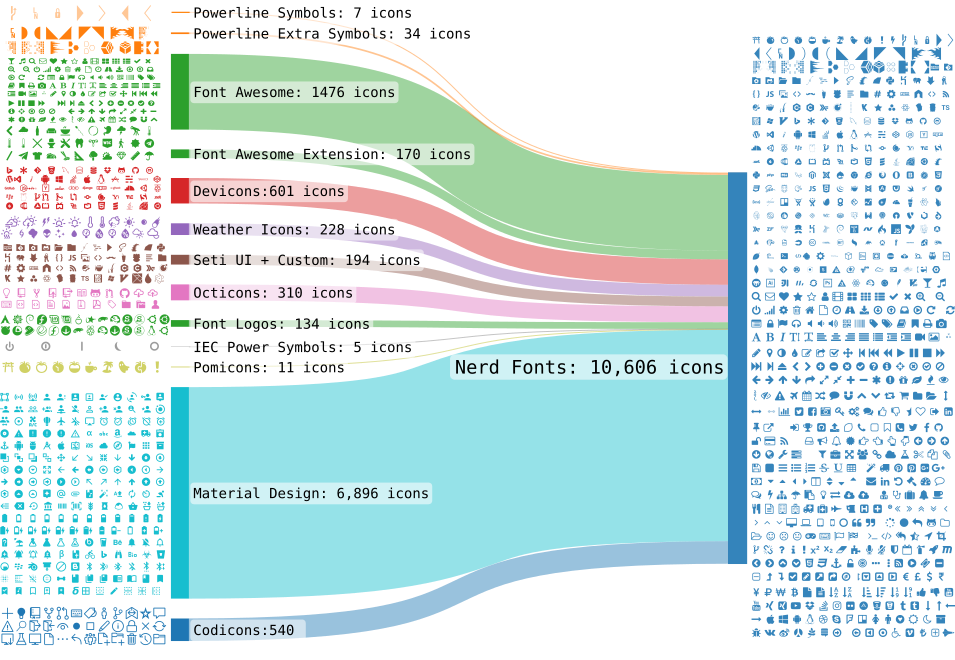
Iconic font aggregator, collection, and patcher

ergochat/ergo: A modern IRC server (daemon/ircd) written in Go.
https://github.com/ergochat/ergo
A modern IRC server (daemon/ircd) written in Go.
 Introducing System One Models & Jev - TypeSafe AI Blog
https://typesafe.ai/blog/introducing-system-one-models-and-jev
Our first public model is Jev, available today in early access. Jev achieves similar levels of intelligence on System One tasks compared to existing LLMs, while being two orders of magnitude faster and more efficient. While Jev gives up string generation, it’s optimized for structured outputs and can’t hallucinate.
Think of Jev as a frontier-intelligence function call: unstructured state in, typed probabilistic decisions out.
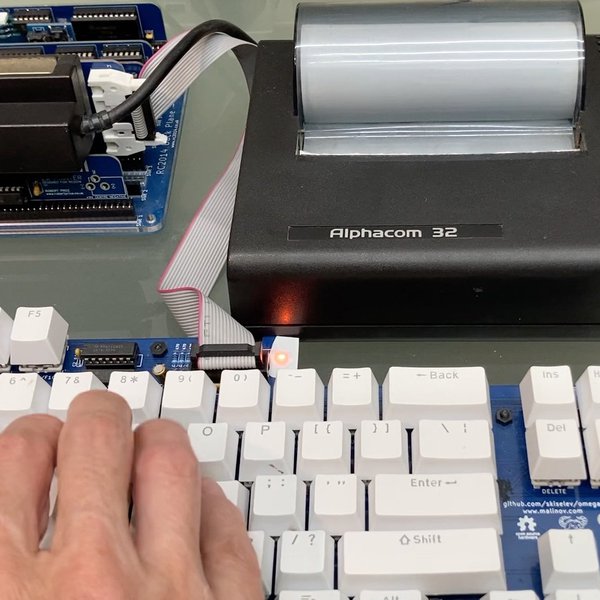
 MCU-less teletype terminal using Alphacom printer | Hackaday.io
https://hackaday.io/project/206469-mcu-less-teletype-terminal-using-alphacom-printer
Period-correct technology would probably be a VDU terminal or its predecessor, a teletype terminal, which is an electric typewriter that sends serial output from its keyboard and prints serial input onto paper.
Here's where the Alphacom printer comes in. It was compatible and contemporary with the ZX81 and was a better option in many ways than Sinclair's ZX Printer. (The ZX computers had built-in line-printer capabilities.) Importantly there are plenty of the Alphacoms around today, working fine.
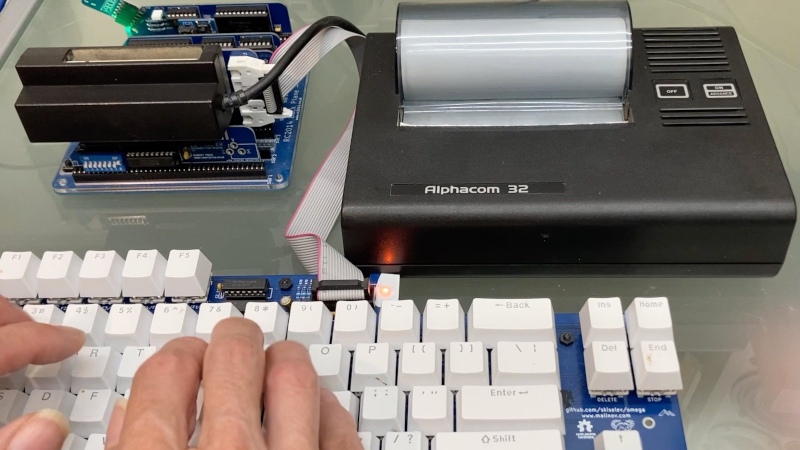
 A Computer Terminal The Old Way | Hackaday
https://hackaday.com/2026/09/21/a-computer-terminal-the-old-way/
Here in 2026 if we need a terminal the chances are we fire one up on our computer and continue on our way without a thought. What we are doing of course is emulating the experience of earlier hardware terminals, ones with a serial port on the back, a keyboard, a screen, or if they are a bit older, a teletype printer. [Sheila Dixon] is recreating that experience for the RC2014 retrocomputer, and she’s using some period-appropriate hardware and techniques.
 Creating a Blog in Gemini:// · brennan.day
https://brennan.day/creating-a-blog-in-gemini/
Gemini isn't an old technology being dusted off, it was created in 2019. But it borrows heavily from Gopher's spirit, BBSes, and the decades-old phlogosphere. Yet, sadly, during my research and browsing of Geminispace, I came across nearly as many dead/abandoned links as I did active and alive ones. I get it. There's a lot of friction when it comes to using an entirely different protocol. I confess that it took me months until I finally got serious with it. I don't think Gemini will ever "take off" and I'm glad for that, really. It's a wonderfully peaceful and calm alternative to the Internet without having to unplug. I'm planning to use it a lot more, and I think I'm going to start adding some of my writing on the protocol exclusively.
riesvile/nospace: Type fast, ignore spacebar.
https://github.com/riesvile/nospace
Type fast, ignore spacebar.
 Cheaper LLM labelling
https://entropicthoughts.com/cheaper-llm-labeling
I learned for this project that a logistic regression can be trained by streaming it one label at a time, and using gradient descent to nudge its weights toward a better fit. I haven’t fully worked through the derivation, but this is not that complicated as far as these things go. And the final result is just 3–10 lines of code depending on how you count. I wish I knew this years ago! It’s so elegant.

 I don't like LLMs
https://martinfowler.com/articles/2026-dont-like-llms.html
One of my most successful life-hacks is to avoid people I don’t like or don’t trust. I decline to interact with them socially, and make a deliberate effort to avoid working with them too, even if they are doing much that is beneficial. I feel that hanging out with pleasant, capable people, the people with integrity, has made my life a far better one. Hence my visceral dislike of interacting with an LLM that’s not just making a pretense of being human, but also posing as the kind of human I walk away from.

hongnoul/gwae: gwae: niri's scrolling tiling for your CLI agents, in any terminal (daemon-free, MIT)
https://github.com/hongnoul/gwae
gwae: niri's scrolling tiling for your CLI agents, in any terminal (daemon-free, MIT)
 A Strategic Retreat
https://kyefox.com/a-strategic-retreat/?ref=kye-fox-newsletter
It's okay to be wrong, but it's not okay to keep being wrong once there's enough stuff in retrospect to know you were wrong and update. Which is to say if you come to me with an unfounded or over-fit argument or article about AI, I will politely hand it back and walk off shaking my head. Because it's not fair to hand me such a lopsided situation where I would need to spend 10x or more effort addressing all the ways it's wrong before trying to salvage a point from it to discuss.
 How The Oregon Trail became a generational icon | The Verge
https://www.theverge.com/podcast/995432/how-the-oregon-trail-became-a-generational-icon
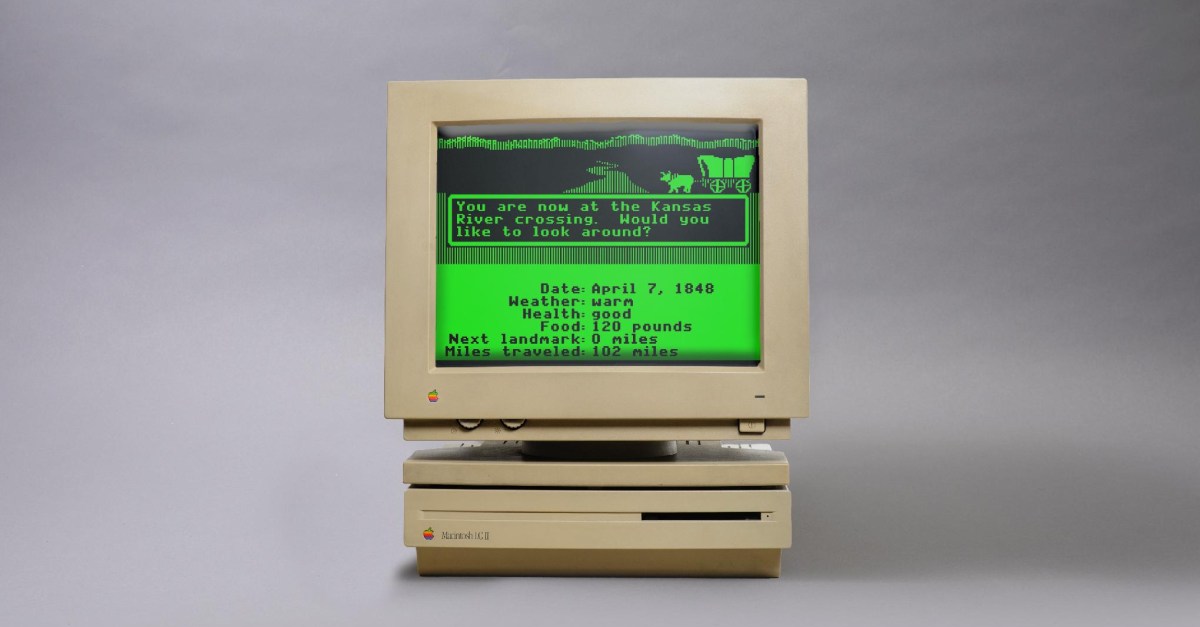
Whether you played it in the back of your classroom or on your computer at home, if you were a kid in the last 30 years you almost certainly grew up playing The Oregon Trail.

 SPACESHIPS
https://spaceships.treybastian.com/
Inverted Asteroids: you are not the ship. Place gravity wells and sling the rocks.
cocktail virgin slut
https://cocktailvirgin.blogspot.com/
quality versus quantity does not have to be a winner-take-all proposition.
 It's time to talk about my writerdeck
https://veronicaexplains.net/my-first-writerdeck/
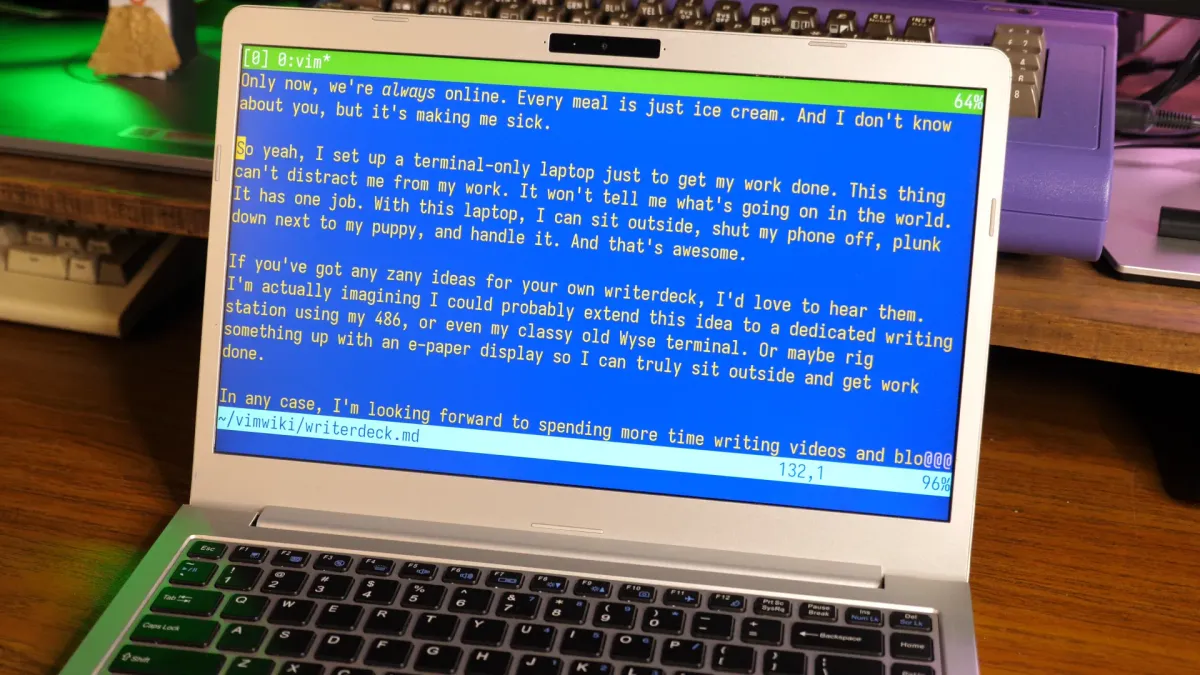
Of course, I'm a Linux user, and I have any number of options. I could have gone with a simple desktop or window manager and just not installed a browser, but I wanted something that really broke the desktop OS muscle memory and forced me into thinking about my words with intention.
I opted for a tty-based setup, using Debian (Trixie at the time of writing). Console only- no x11 or Wayland, no desktop getting in my way.

 Millionaires Love NY: New IRS Data Shows New York’s Millionaire Population Grew Years After the State Raised Taxes on the Rich - Groundwork Collaborative
https://groundworkcollaborative.org/news/millionaires-love-ny-new-irs-data-shows-new-yorks-millionaire-population-grew-years-after-the-state-raised-taxes-on-the-rich/
New York added nearly 2,000 millionaire tax filers in a single year, according to newly released IRS data. The agency’s 2023 Statistics of Income (SOI) data show the number of New Yorkers reporting more than $1 million in income grew about 3%, shortly after the state raised its top tax rate on high earners. Far from triggering the millionaire exodus warned about, the new figures cut at the heart of one of the most persistent arguments against millionaire surtax proposals.
 The Wind, The Wind | blarg
https://exple.tive.org/blarg/2026/09/10/the-wind-the-wind/
It looks like people are starting to come around about designing, planning and building houses by counting number of nails they used. It’s probably for the best; people sure went crazy about it for a year or two, though.
 libvips
https://www.libvips.org/
libvips is a demand-driven, horizontally threaded image processing library. Compared to similar libraries, libvips runs quickly and uses little memory. libvips is licensed under the LGPL-2.1-or-later.
 OpenSeadragon
https://openseadragon.github.io/
An open-source, web-based viewer for high-resolution zoomable images, implemented in pure JavaScript, for desktop and mobile.
 Staff+ engineers must rebuild team culture - LeadDev
https://leaddev.com/leadership/staff-engineers-must-rebuild-team-culture
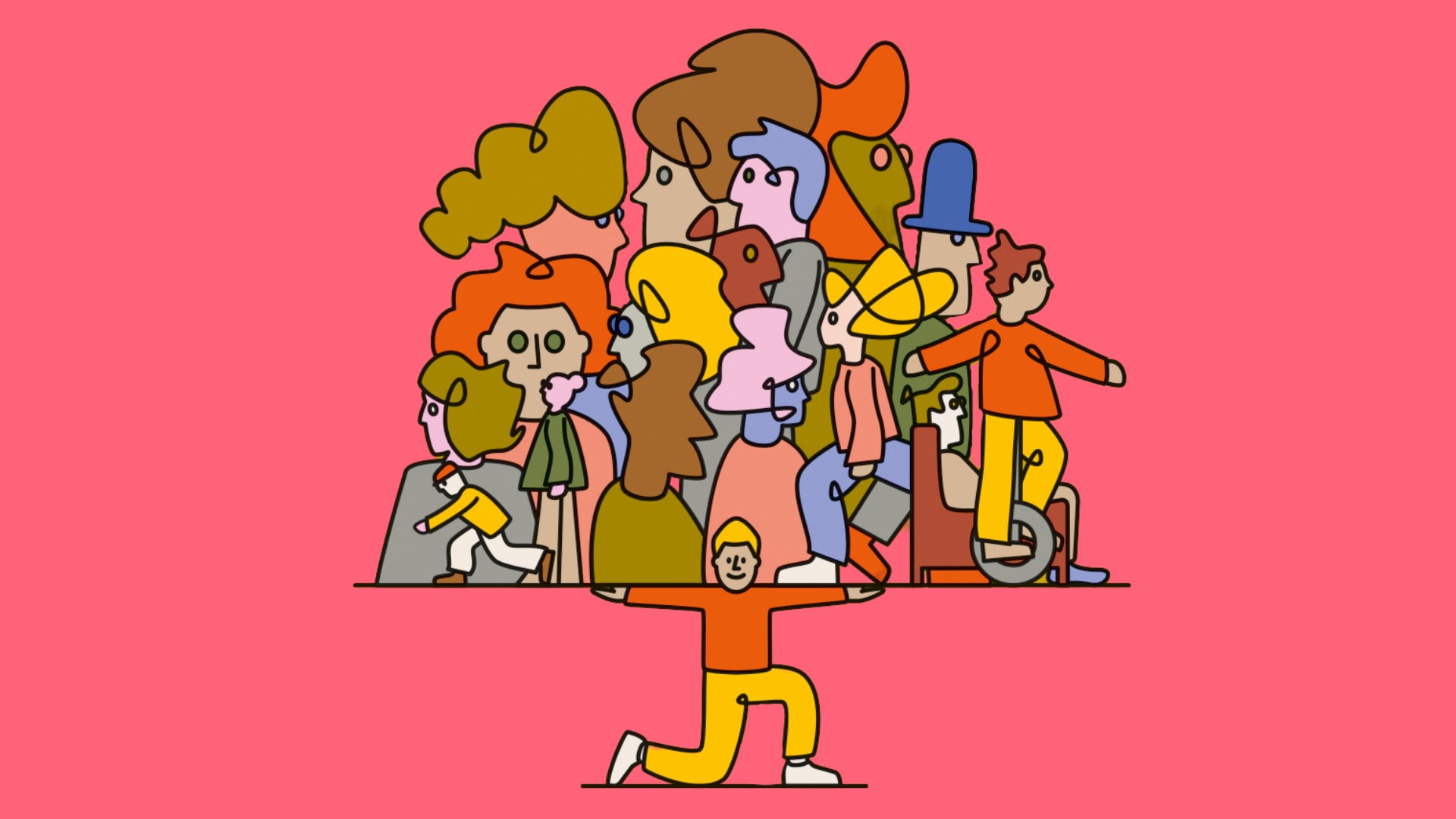
AI is driving a shift to more autonomous work within teams, which means opportunities to establish culture that used to be automatic – time spent pairing, organizing work around shared goals, planning and designing together – now require deliberate choices.

Engineers grieve a job that no longer exists - LeadDev
https://leaddev.com/career-development/engineers-grieve-a-job-that-no-longer-exists?utm_source=ActiveCampaign&utm_medium=email&utm_content=Engineers%20are%20grieving&utm_campaign=Originals%3A%20%20Issue%20312%20%2827%20August%202026%29%20%28Copy%29
The more AI-generated code a team produces, the more review work lands on the engineers who care most about quality, often the most experienced people on the team. The volume of output rises while the nature of the work shifts from creation to inspection, and the engineers doing the hardest cognitive labor appear, by the metrics, to be less productive than the ones generating code with AI.
 Byte - a visual archive
https://byte.tsundoku.io/#about
This zoomable map shows every page of every issue of BYTE starting from the front cover of the first issue (top left) to the last page of the final edition (bottom right). The search bar runs RE2 regex over the full text of all 100k pages. The archive itself is not new, scans of BYTE have long existed on the Internet Archive and elsewhere on the net – but I hope seeing everything in single, searchable place offers a unique perspective.
 The Test Card Gallery
http://www.meldrum.co.uk/mhp/testcard/index.html
The BBC and ITV have over the years used a number of tuning signals, test cards and captions either for engineering purposes, or just to fill time in the days before breakfast and daytime TV. This page shows some of them, and some of the captions used in days past.

 Antiquated HTML Snippets and Artefacts | Vale.Rocks
https://vale.rocks/posts/html-relics
This article doesn’t cover once-specced but now obsolete bits of HTML but instead looks at all the snippets that have wormed their way into websites as result of, or in combat against, third-party integrations, browser competition, vendor extensions, and platform-specific hacks. The bits of HTML that were included for reasons, and which have been forgotten for present irrelevance. The snippets that live on only in the markup of sites from bygone eras and in the minds of those who fought during the browser wars.
 3D Resources - NASA Science
https://science.nasa.gov/3d-resources/
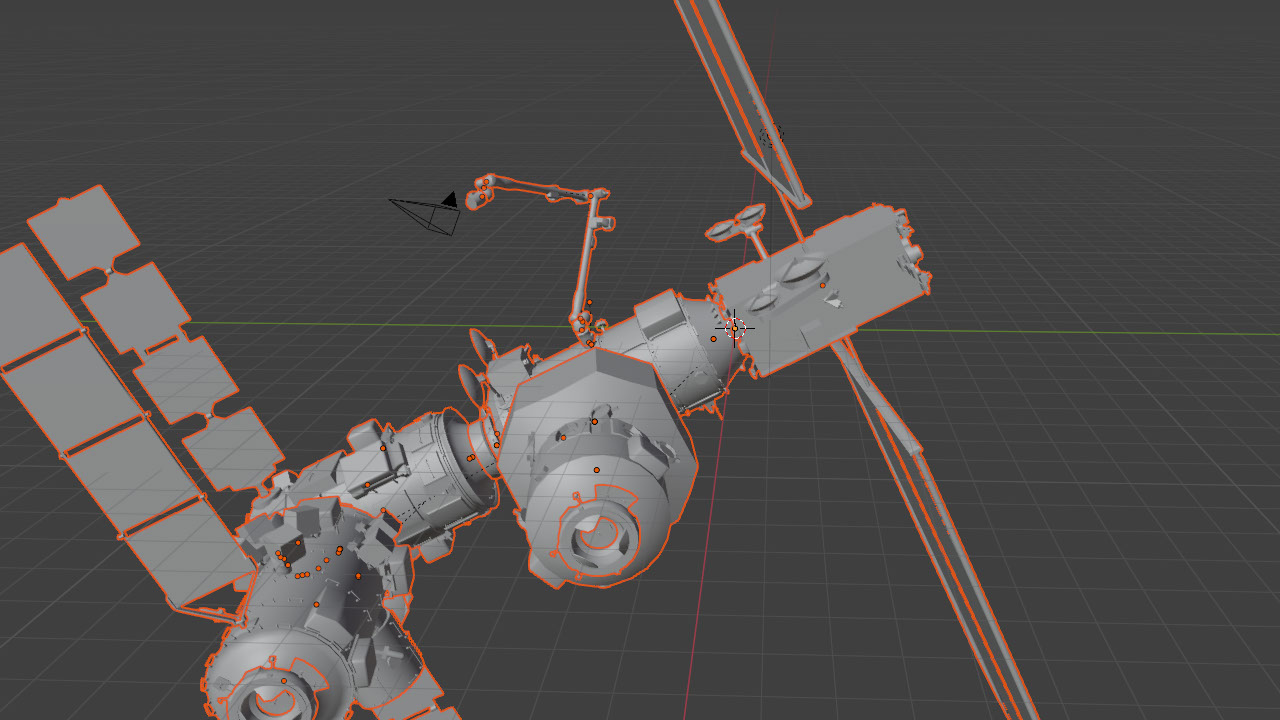
The 3D Resources hub stores 3D models related to NASA's various missions. Some of these models are 3D printable! All of these assets are free to download and use. They are also mirrored on GitHub. Refer to the NASA Images and Media Usage Guidelines.

 James Cassidy | Crop & Soil Science Department
https://cropandsoil.oregonstate.edu/directory/people/james-cassidy
TIL: James Cassidy of Information Society is a soil scientist at OSU
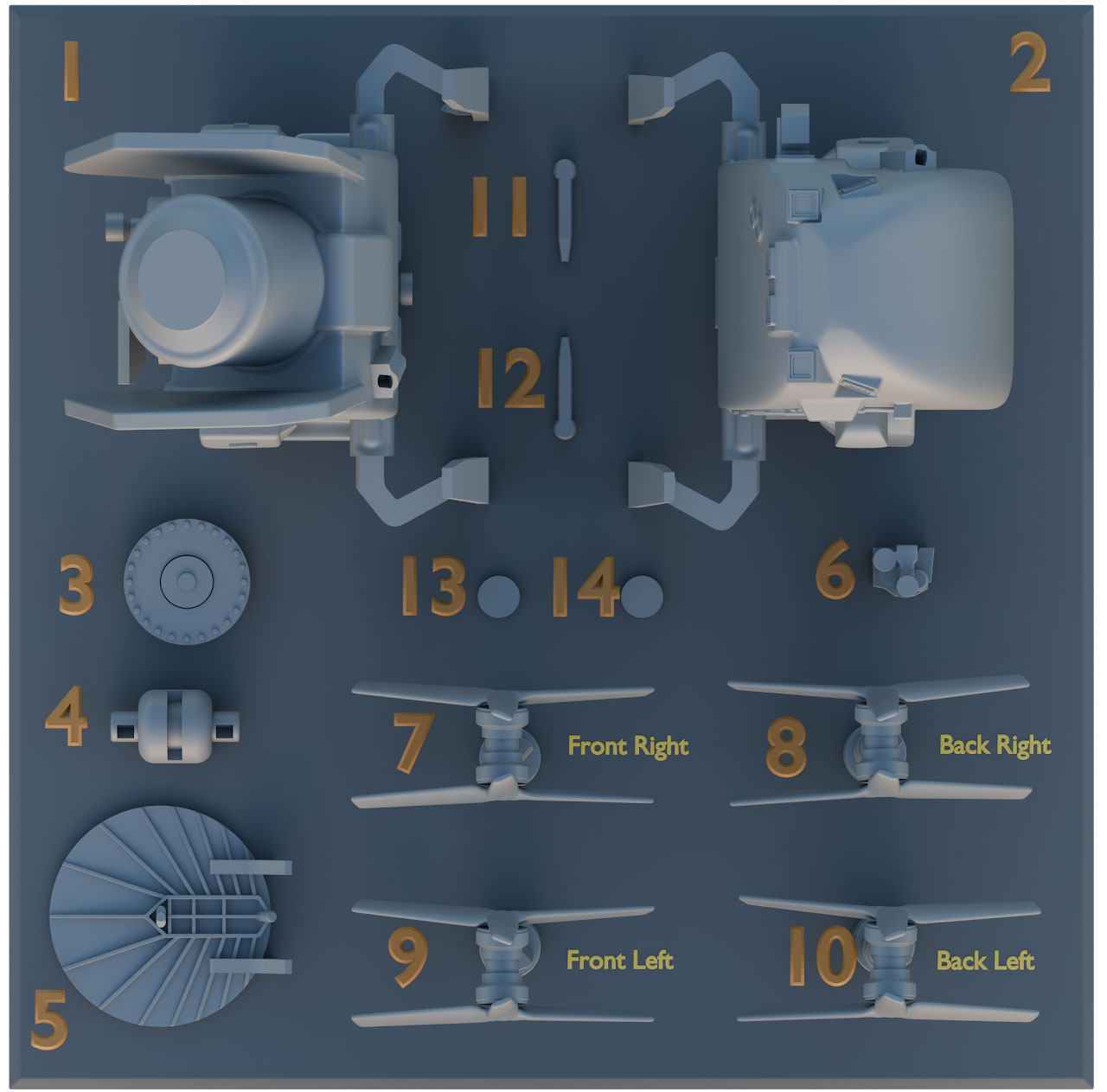
Dragonfly - NASA Science
https://science.nasa.gov/3d-resources/dragonfly/
Dragonfly, the first-of-its-kind rotorcraft to explore another world, will fly to various locations on Saturn’s moon Titan and investigate the moon’s habitability.
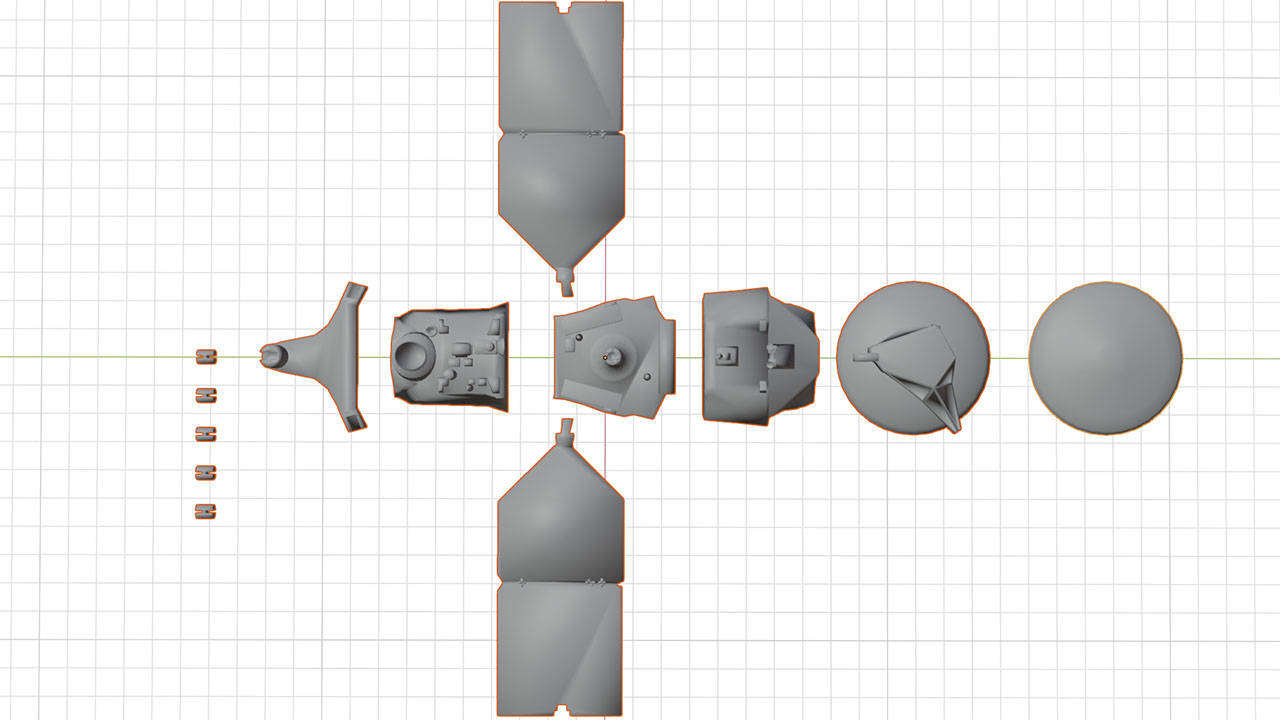
Mars Reconnaissance Orbiter - NASA Science
https://science.nasa.gov/3d-resources/mars-reconnaissance-orbiter/
After a seven-month cruise to Mars and six months of aerobraking to reach its science orbit, Mars Reconnaissance Orbiter began seeking out the history of water on Mars with its science instruments. The instruments zoom in for extreme close-up photography of the martian surface, analyze minerals, look for subsurface water, trace how much dust and water are distributed in the atmosphere, and monitor daily global weather. The Mars Reconnaissance Orbiter mission met all its science goals in a two-year primary science phase. Two extensions, the latest beginning in 2010, have added to the bounty of science returns.
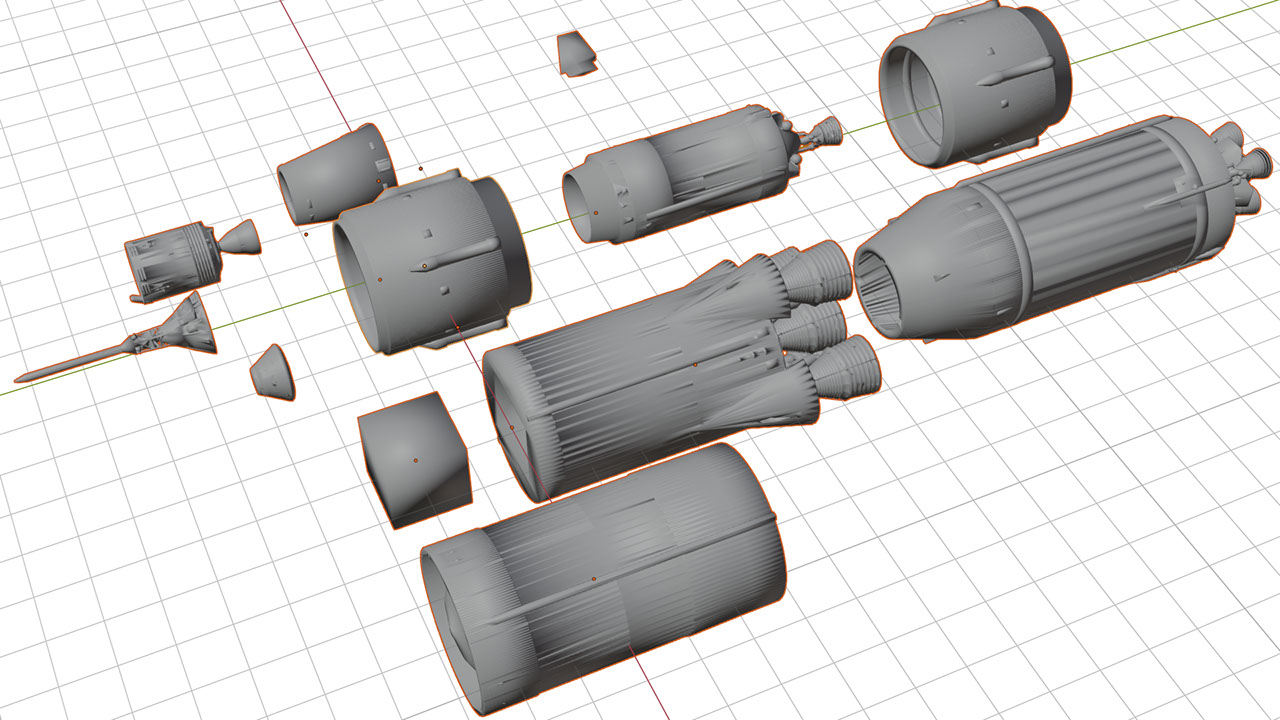
Saturn V Rocket - NASA Science
https://science.nasa.gov/3d-resources/saturn-v-rocket/
The Saturn V was a rocket NASA built to send people to the moon. The Saturn V was a type of rocket called a Heavy Lift Vehicle. That means it was very powerful. It was the most powerful rocket that had ever flown successfully. The Saturn V was used in the Apollo program in the 1960s and 1970s. It also was used to launch the Skylab space station.
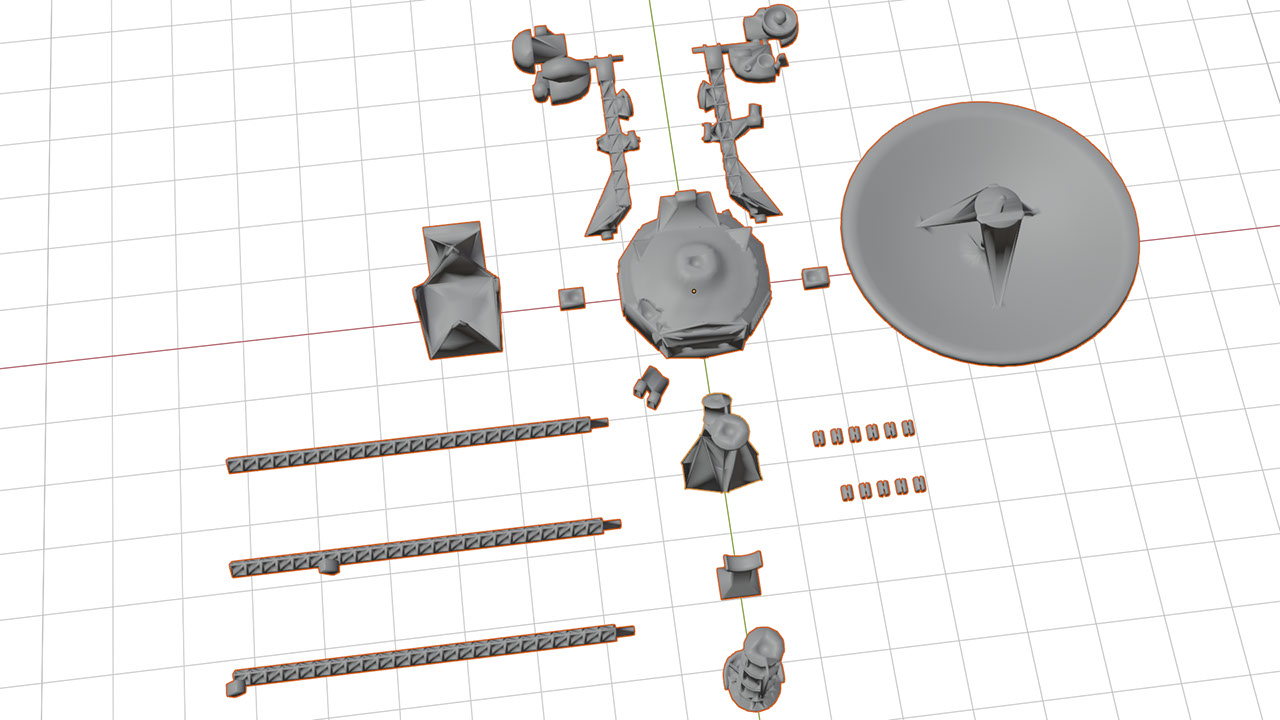
Voyager - NASA Science
https://science.nasa.gov/3d-resources/voyager/
The twin spacecraft Voyager 1 and Voyager 2 were launched by NASA in separate months in the summer of 1977 from Cape Canaveral, Florida. As originally designed, the Voyagers were to conduct closeup studies of Jupiter and Saturn, Saturn's rings, and the larger moons of the two planets. After making a string of discoveries there, such as active volcanoes on Jupiter's moon Io and intricacies of Saturn's rings, the mission was extended. Voyager 2 went on to explore Uranus and Neptune, and is still the only spacecraft to have visited those outer planets.
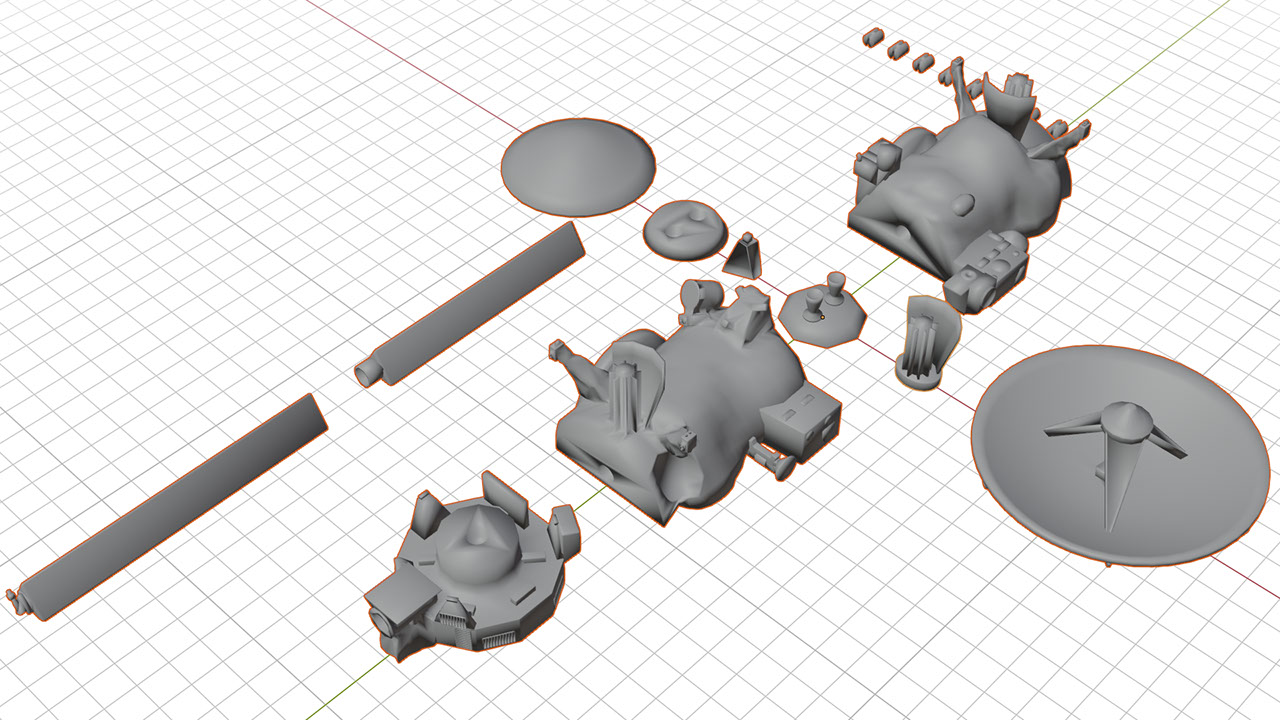
Cassini - NASA Science
https://science.nasa.gov/3d-resources/cassini/
For more than a decade, NASA’s Cassini spacecraft shared the wonders of Saturn and its family of icy moons. It took us to astounding worlds where methane rivers run to a methane sea and where jets of ice and gas are blasting material into space from a liquid water ocean that might harbor the ingredients for life.
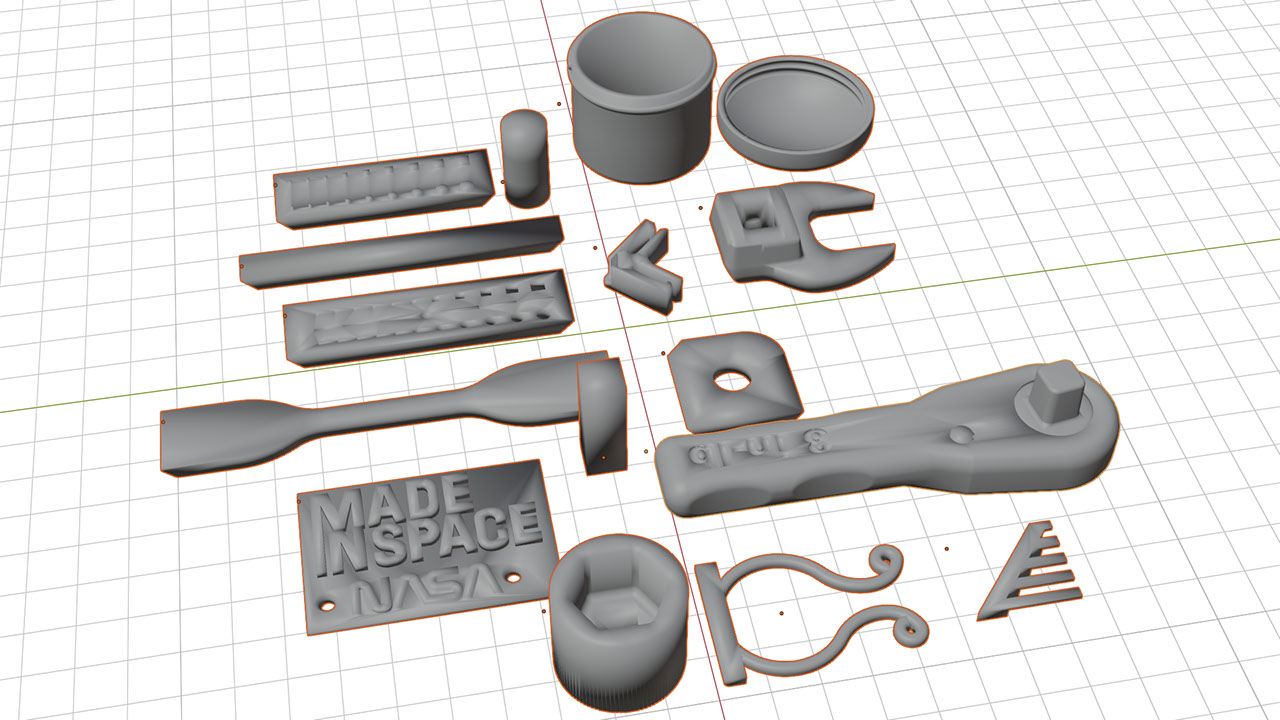
International Space Station Tools - NASA Science
https://science.nasa.gov/3d-resources/international-space-station-tools/
The International Space Station's 3D printer has manufactured the first 3D printed object in space, paving the way to future long-term space expeditions.
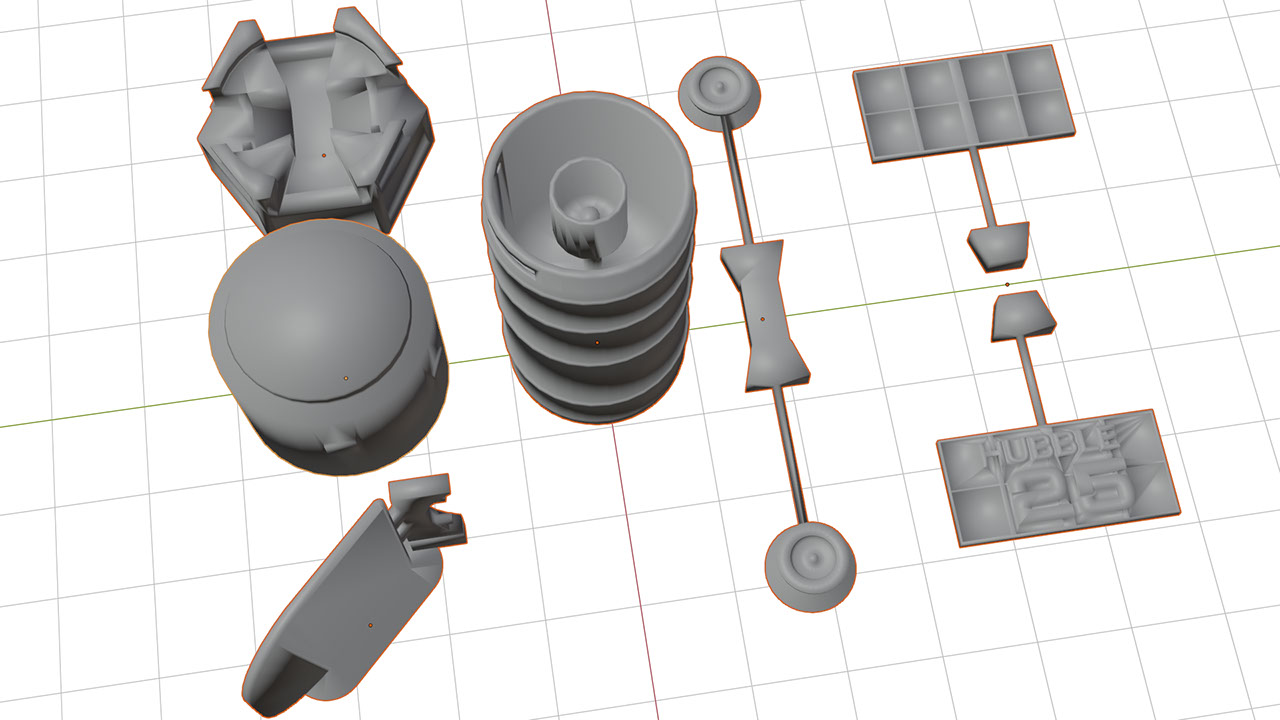
Hubble 25th Anniversary Model - NASA Science
https://science.nasa.gov/3d-resources/hubble-25th-anniversary-model/
On April 25, 1990, astronauts aboard the Space Shuttle Discovery deployed the Hubble Space Telescope into Earth orbit, and launched a new era of astronomical discovery. Now, 25 years later, we celebrate a remarkable milestone for a space observatory whose ground-breaking investigations have brought revolutionary changes in our understanding from planets, stars, nebulae, and galaxies to the very frontiers of the cosmos.
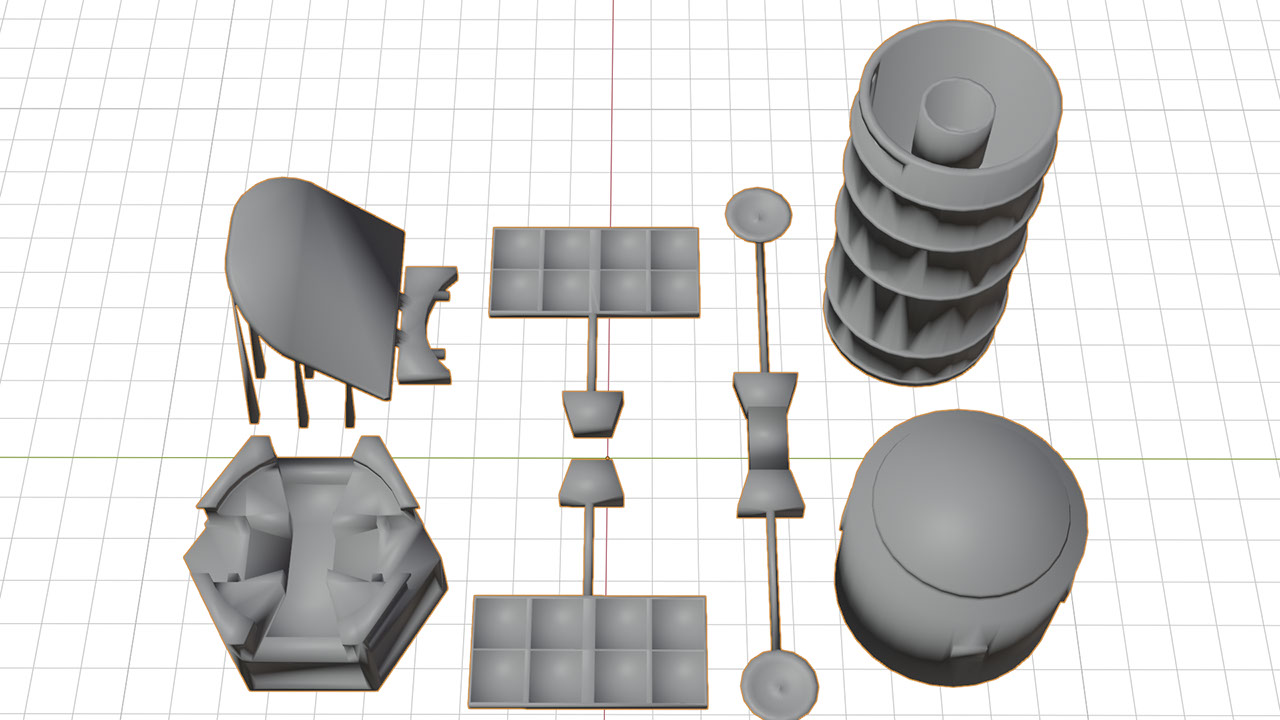
Hubble Space Telescope - NASA Science
https://science.nasa.gov/3d-resources/hubble-space-telescope/
Hubble, the observatory, is the first major optical telescope to be placed in space, the ultimate mountaintop. Above the distortion of the atmosphere, far far above rain clouds and light pollution, Hubble has an unobstructed view of the universe. Scientists have used Hubble to observe the most distant stars and galaxies as well as the planets in our solar system. Hubble's launch and deployment in April 1990 marked the most significant advance in astronomy since Galileo's telescope. Our view of the universe and our place within it has never been the same.
 Stop Thinking of LLMs as Next-Token Predictors | gmcgoldr’s blog
https://gmcgoldr.github.io/2026/09/04/llm-next-token-predictors.html
But the LLMs we use are not just base models. They are post-trained, and a key part of modern post-training is reinforcement learning with verifiable rewards (RLVR). During pre-training, the model learns only from sequences that already exist in the training data. During RLVR, the model explores by generating new sequences and learning from their outcomes
 Pure CSS halftone patterns: dots, lines, circles
https://codepen.io/editor/MackFitz/pen/01a056f3-9af6-7f1b-a031-e52a5d38813d
A project overdue. As an 80's/90's kid, I was obsessed with printing technology - and especially halftone patterns. I've long theorized that these pat
 USBSID-Pico: Bridging Real Commodore 64 Sound to Modern USB - SmallRun
https://smallrun.net/blog/loud/usbsid-pico-sids-on-usb
I am LouD (short for loudness) and I created USBSID-Pico to bridge real SID silicon directly to modern workstations, phones, and media players over USB (CDC/WebUSB/WebSerial), MIDI, ASID and in the future possibly WiFi and Bluetooth.
Powered by the Raspberry Pi Pico microcontroller series (rp2040 and rp2350), the board acts as a flexible controller for up to two (and soon four) physical SID chips or modern hardware replacements.
 Newsonaut: Turning inner space into outer space
https://www.newsonaut.com/articles/hang-on-to-your-firefox
Firefox is our last best hope for browser engine diversity and competition. Without it we would be stuck with Google Chrome and its spinoffs everywhere (including Vivaldi). The only holdout would be Apple Safari, hanging in there only because it’s the enforced default on iPhones.
AI-Written Code Is Still Your Code. Are You OK With That?
https://martiansoftware.com/articles/ai-written-code-is-still-yours
But when you build software, you own it, and I don’t only mean in the intellectual property sense. You also take on the responsibility for its quality and its security, and for debugging, operating, maintaining, and evolving it over time. Are you prepared for that when building software with AI? That’s the new question: not “Can we build this?” but rather “Do we want to own this?” It should at least be a conscious decision rather than a responsibility you discover after the code is already yours.